skip to main |
skip to sidebar
Thursday's Guardian Country Diary is all about intoxicated butterflies.
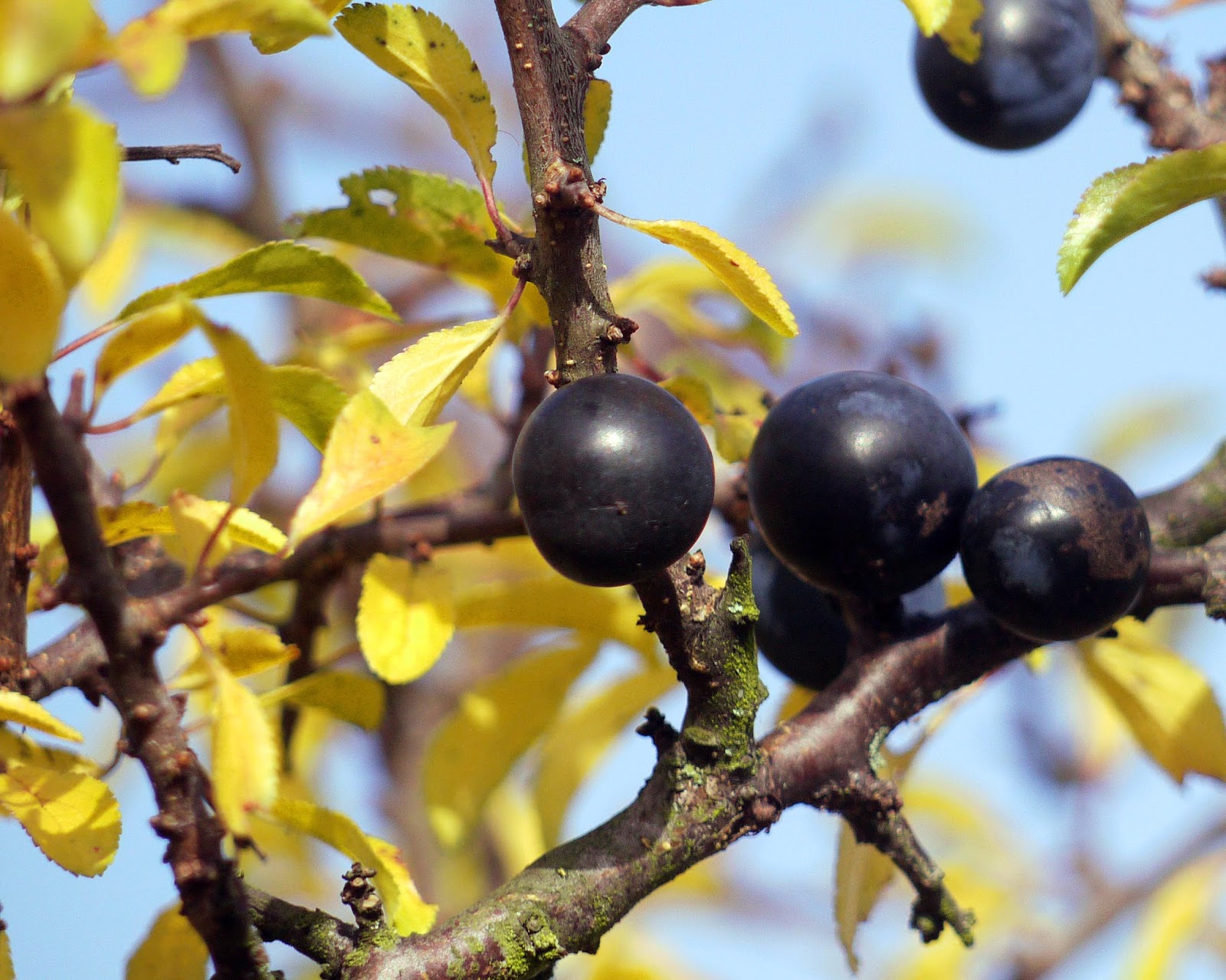
We had our best ever plum crop this year - too many to eat, store in various forms or give away all of them. Branches broke under their weight.
The beneficiaries from those that fell on the ground were red admiral butterflies. I piled some plums on the bird tables, where the natural yeast on their skins fermented the juice to produce an alcoholic liquor that stupified the butterflies that fed on it. The whole area under the tree smelled of vinegary alcohol after a few days in the sun.
Sometimes there were a dozen or more red amirals on the bird table, where they usually tolerated each other as long as their wings or antennae didn't touch. If they did they flicked there wings, clearly irritated.
If other butterfly species tried to join them - and peacocks and speckled woods sometimes did - the red admirals became more aggressive and chased them away.
The red admirals were clearing drunk and had lost their inhibitions. If I put the fermented plum pulp on my fingers they extended their proboscis and drank from my skin.
And if I deliberately chased them off they just flew around my head, landing in my hair or on my clothes and hands.
Some days they were so drunk that I could poke them on the nose and they wouldn't take flight.
The last of the plums has now rotted and the red admirals have returned to their favourite nectar source in the garden - Buddleia x weyeriana, which flowers right up until the frost. But all the time the plums were available they completely ignored it, confirming my suspicion that they had fallen under the influence of the demon alcohol.

This has been one of the best early autumns for toadstools hereabouts for quite a few years. Here's the tally so far - some of which I've yet to identify and some of which I'm still not sure about
I think these are probably the grey spotted amanita, Amanita excelsa, growing under a beech tree in Wolsingham, Weardale
From the pinkish hue, this looks like the blusher Amanita rubescens. Amongst ants' nests under hawthorns in Auckland Park, Bishop Auckland.
Three Russula species, all at Wolsingham in Weardale. Slugs seem very partial to these. I think the red one, growing under pines, is probably the bloody brittlegill Russula sanguinaria. The mauve one, growing under a beech, could be the fragile brittlegill Russula fragilis.
Shaggy parasols Chlorophyllum rhacodes under ash trees in a pasture at Wolsingham, Weardale
Saffron milkcap Lactarius deliciosus.
Edge of a Scots pine plantation, Wolsingham, Weardale.
Thanks to miked at iSpot for ID
Beefsteak fungus Fistulina hepatica on an old sweet chestnut in Auckland Park, Bishop Auckland
Chicken-of-the-woods Laetiporus sulphureus on old sweet chestnut, Auckland Park, Bishop Auckland
I think this one, which must have been magnificent when it was in its prime, is giant polypore Meripileus giganteus. On dead ash, Auckland Park, Bishop Auckland
Dune brittlestem Psathyrella ammophila growing amongst marram grass in dunes at Budle bay, Northumberland coast
Ergot Claviceps purpurea, in grassland near Durham city
Giant polypore Meripileus giganteus, Auckland park, Bishop Auckland
Parasol Macrolepiota procera. Auckland Park, Bishop Auckland
Southern bracket Ganoderma australe on rotting beech, Auckland Park, Bishop Auckland.
Indigo pinkgill Entoloma chalybaeum. In turf on old quarry spoil heaps, Frosterley, Weardale






 Posts
Posts


