During this heatwave, the best time of the day to be in our garden is between 6am., when the sun creeps over the hedge, and 8am. when the day really begins to heat up.
The first shafts of sunlight spotlight the tallest plants, like this dill ......
..... or illuminate individual flowers like this meadow cranesbill.
Some insects, like these Solomon's seal sawfly larvae that defoliate our Solomon's seal plants at this time every year, probably feed during the night and retreat under what's left of the leaves during the hottest part of the day.
This solitary bee, which I haven't identified yet but might be a Nomada species, has taken up residence in one of the hogweed stem tubes in the 'bee hotel' that we made over the winter, and emerged as soon as the sun shone into its residence.
Even at 6am. it's warm enough for bumblebees to be very active ....
....... and as soon as the sun spotlights the tall monkshood flower spikes they attract a lot of attention from bumblebees.
Other bumblebees seem to specialise in collecting pollen from newly-opened opium poppies. Their technique is to crawl under the ring of stamens, buzz and work their way around between the stamens and the petals, showering themselves in pollen that they later comb off into their pollen baskets. By 7am. this bee's pollen baskets were already full.
This tree bumblebee adopted a different technique, visiting Lavatera flowers that wilted and closed yesterday and extracting the remaining nectar by forcing its long tongue down between the base of the petals and the sepals.
Some insects, like this drone fly that mimics a bumblebee, perch on the lavender flower spikes just to bask in the sun ...
... while this common carder bumblebee was busy collecting nectar from the same plant.
Other early morning insects today included a green capsid bug which I think might be Lygocoris pabulinus, feeding inside a marigold ...
...... an anxious-looking froghopper, newly emerged from its 'cuckoo spit' cocoon of bubbles ........
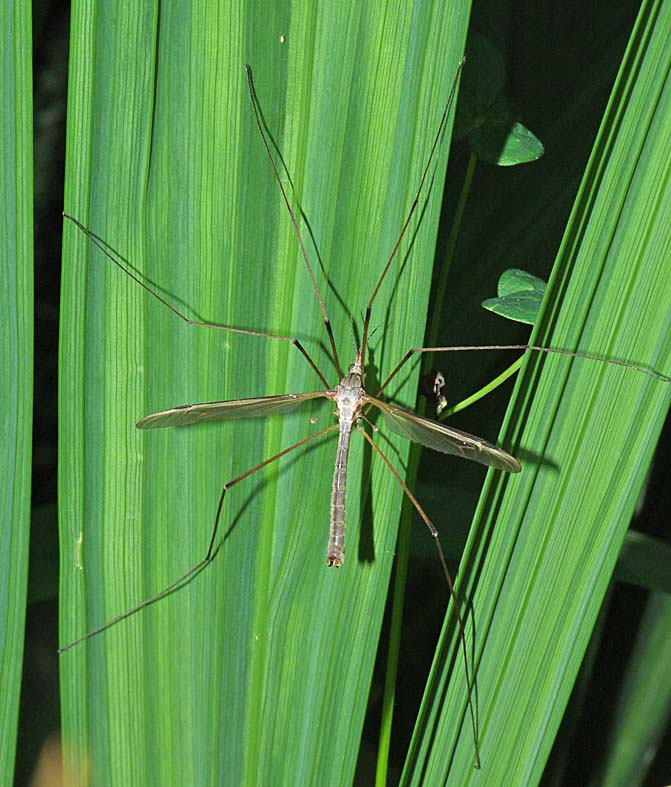
.............. and a crane-fly that will probably soon end up in one of the many spiders' webs that are beginning to appear around the garden...






 Posts
Posts


