Today's Guardian Country Diary describes a visit to the steep-sided valley cut by Eggleston Burn in Teesdale, as it flows down into the river Tees at Eggleston. Confusingly, there is an Eggleston and an Egglestone in Teesdale, upstream and downstream of Barnard Castle respectively, and this is the view along Eggleston Burn from the old stone bridge that carries a road across it, just north of Eggleston village. You can see the shadow of the photographer about two thirds of the way up the right-hand side of the picture, where the shadow of the bridge cuts across!
The footpath down to the beck is reached by this very narrow stile in the bridge parapet. The path through the woods from here is treacherous in places, with a long, steep drop into the burn on one side....
.... and you can hear the sound of fast-flowing water growing louder as you descend.
At the bottom lies this very sheltered little valley, where sunlight onto penetrates right down to the bottom for about an hour in the middle of the day at this time of year.
You can follow the footpath for about a quarter of a mile before it turns away from the burn and climbs back up through pastures and only the moorland.
 The valley is sheltered from prevailing south-westerly winds and the burn keeps the humidity high all year-round. This provides ideal conditions for growth of mosses and lichens on the ancient hawthorns and blackthorns on the burn-side ........
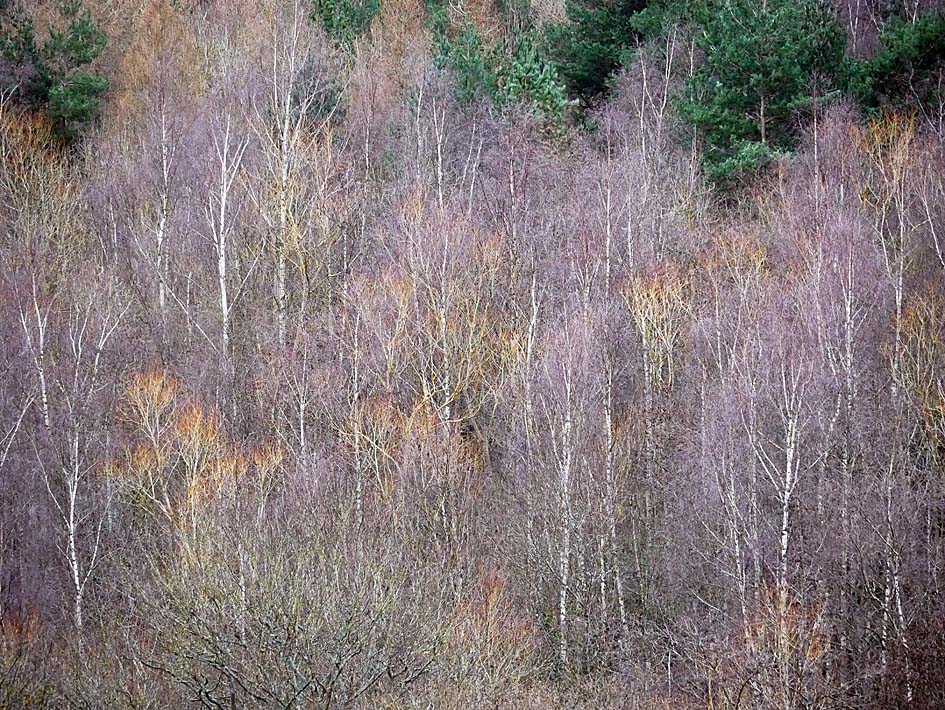
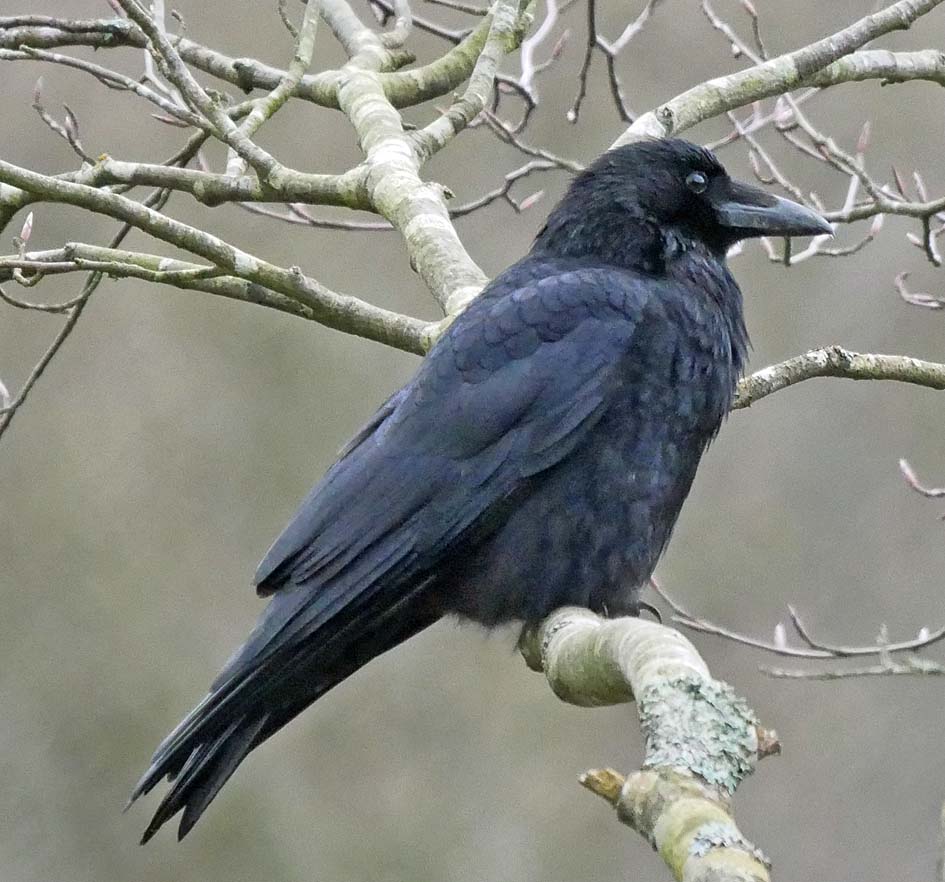
 ....... and on the lower slopes of the pastures above.
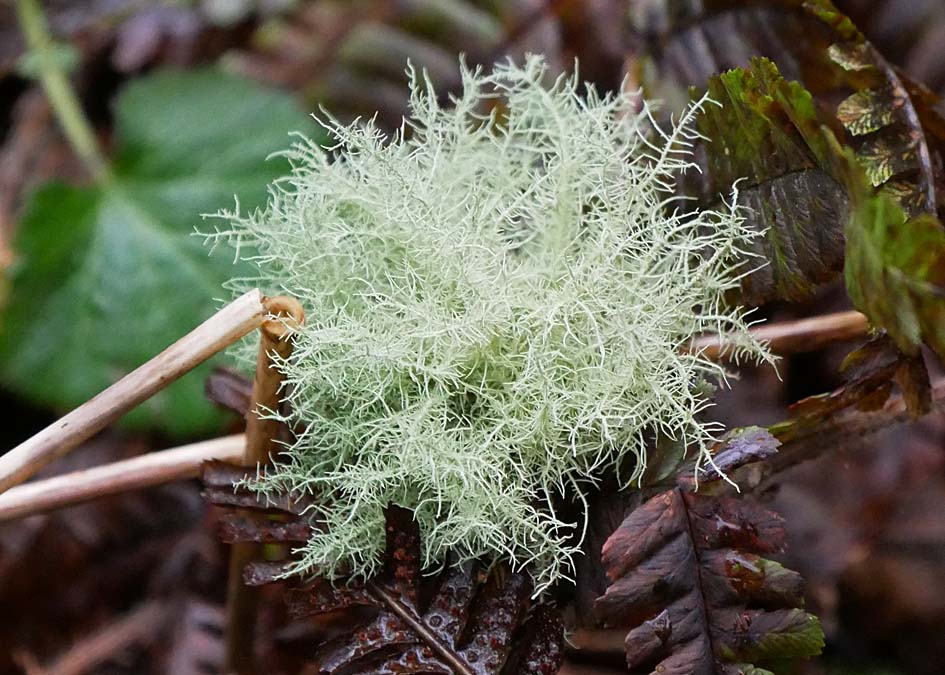
This bushy lichen is, I think, a species of Usnea - possibly U. subfloridiana..
.... and I think this may be Evernia prunastri..
So far the redwings and fieldfares haven't got to the hawthorn berries....
...... or the sloes, which have softened and split after last week's frosts. The combination of grey lichens, scarlet berries and blue-black sloes provides festive decorations for bare twigs in the depths of winter.




 ....... and on the lower slopes of the pastures above.





 Posts
Posts


