Showing posts with label heron. Show all posts

Thursday, March 21, 2024

Early spring in the Derwent Walk Country Park, Gateshead

 Some pictures from a walk last week in the Derwent Walk Country Park, Winlaton Mill, Gateshead.
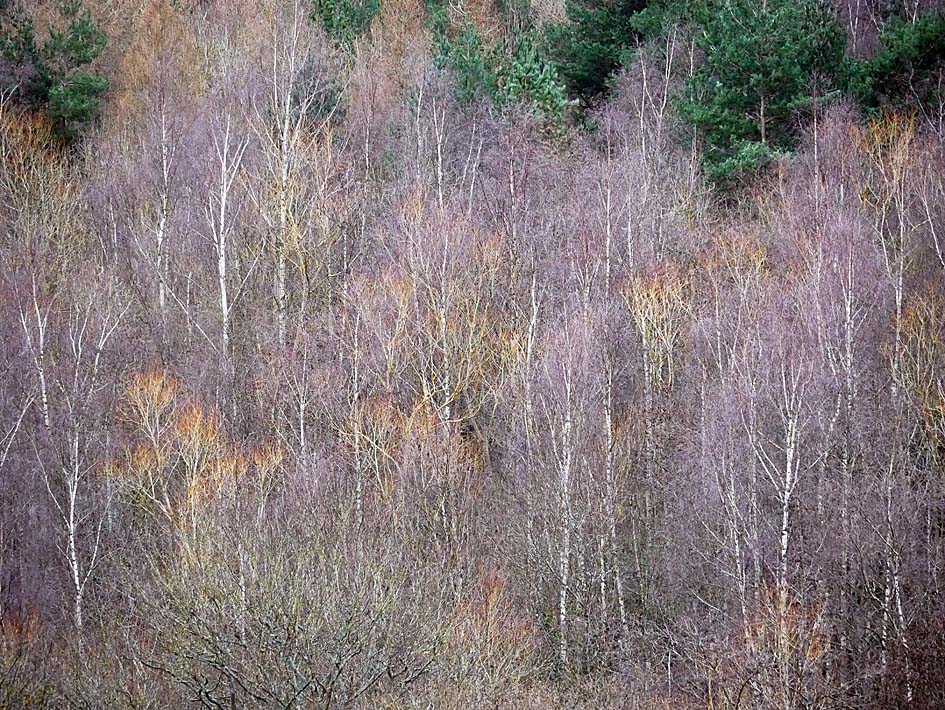
Silver birches and willows, seen from the top of the Nine Arches railway viaduct over the river Derwent. The buds of the birches take on a purplish hue at this time of year, as they begin to swell, while the willows have an orange tint.
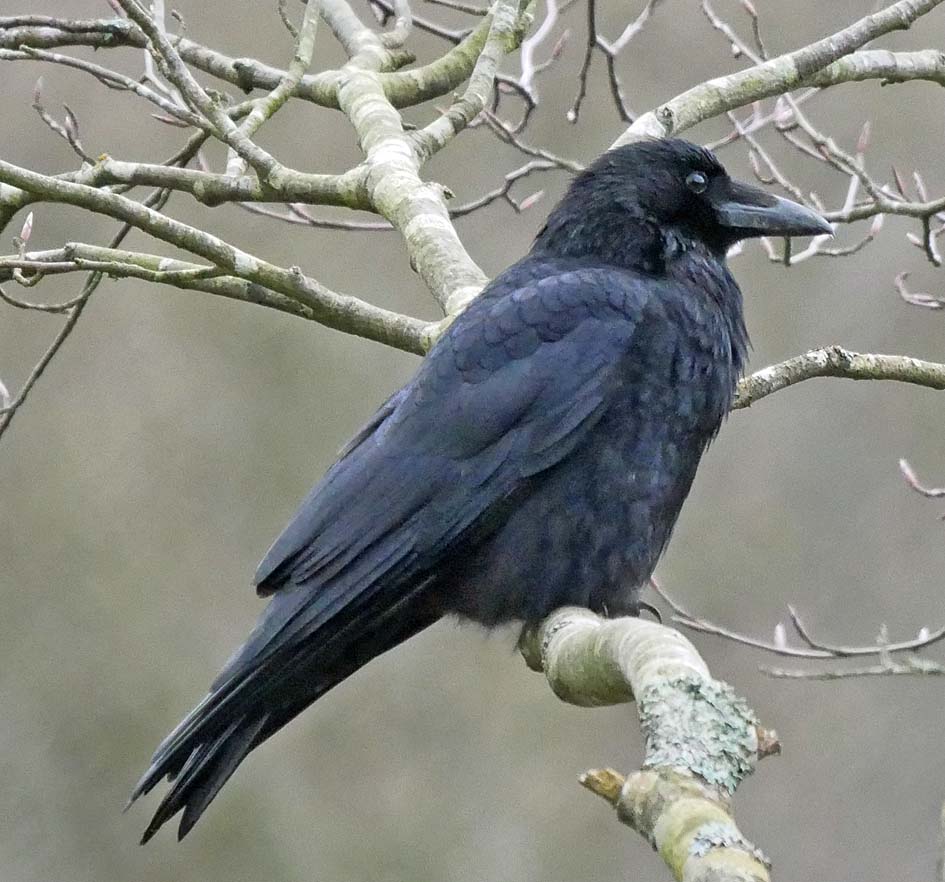
Carrion crow. Handsome birds, with a hint of blue iridescence in their plumage.
A fine display of colt'sfoot

Dutch rush Equisetum hyemale spore cones beginning to disperse spores. An uncommon plant, but there are some fine patches of it beside the footpath.
Golden saxifrage in full flower in a ditch beside the old railway line.

A heron with some fine chest plumes, feeding in the river Derwent.
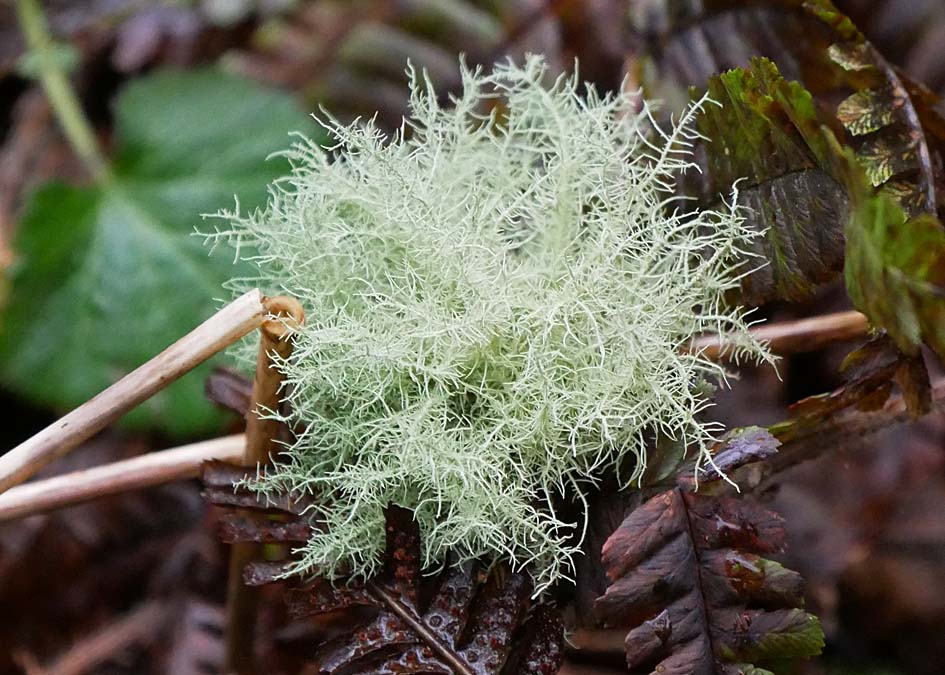
Beard lichen Usnea sp. Remarkable that this pollution-sensitive species is now established here, when you consider that this was formerly a location for coal mines, an ironworks and the Derwenthaugh coking plant that only closed down in 1986.

A magpie in one of the meadows
Primroses in flower
A soaring red kite

Toads coming out of hibernation in the woodland, heading for Clockburn lake, on the site of the old coking plant
Wood anemones in flower in woodland beside the river Derwent


Thursday, December 17, 2020

Handsome heron


This very handsome heron has taken to perching on a rock just downstream of the bridge over the river Wear at Wolsingham, offering excellent views of his preening activities. The heron breeding season begins in February, so I imagine this is a prelude to February courtship.


Tuesday, April 7, 2015

No wonder most toads return to their breeding ponds at night!


This toad crossed our path when we were walking in the Derwent Country Park near Gateshead on Easter Monday.

When I knelt down to take a photo and put the camera on the ground he attacked it, presumably because he could see his reflection in the lens. Luckily I had a lens filter attached, otherwise he would have made a mess of an expensive piece of glass.

As we walked around the lake we found several more toads, which we helpfully carried across the path and pointed in the general direction of the water. In retrospect, maybe that wasn't such a good idea because when we walked back ........


......... this heron was having the time of his life at an all-you-can-eat banquet of toads and newts.


I guess this is one reason why big migrations of toads, from their hibernation sites to their breeding ponds, tend to take place at night, when herons are roosting.

Tuesday, November 27, 2012

Fishing temporarily suspended


This rather forlorn looking heron was standing on the bank of the river Wear in Durham city on Sunday, watching the river level rise and its fishing prospects vanish. Since then this stretch of river has become a torrent of muddy flood water. 


Hungry times for birds like herons and kingfishers, that need to see their prey in order to catch it ...

Thursday, January 19, 2012

River Wear, Wolsingham


Today's Guardian Country Diary describes a walk along the River Wear at Wolsingham in Weardale. Even though the riverbank woods look bare at this time of year there's always plenty to see along this stretch of river .....


 ... like the exquisite filigree of cypress-leaved feather moss Thuidium tamariscinum. Many woodland mosses make a lot of fresh new growth during mild spells in winter, when more light can reach them through the leafless branches.


There are often some fine fungi along here too on all the decaying wood - like these velvet shanks.


When we had prolonged heavy rain in Weardale a couple of weeks ago and the river rose very rapidly and flooded its banks. It scoured away all the dead leaves but the dead sweet cicely flower stems - which are chest-high here in summer and smell of aniseed - remained rooted but were flattened by the water, leaving a contour map on he ground of the path of the current as it had swept around the tree trunks.


Above the high water mark of the flood there was still a thick layer of autumn's decaying leaves ...


...... with bluebell leaves already spearing through.


Closer to the river the retreating water had deposited a thick layer of silt, but the buried snowdrops that grow in profusion here early in the year had already forced there way up to the sunlight and started to bloom.


When the water level falls if leaves behind these dark, temporary pools amongst the alders on the edge of the river. Sometimes there are fish trapped and the local herons are well aware of this - there are always heron footprints around the edges. In the spring toads breed in the pools and then it's a race against time for the tadpoles to develop before the pools dry up.

This stretch of river always has resident dippers and at this time of year they sing a lot, establishing their territory. It's amazing how you can always hear their song above the sound of the river - its pitch must have evolved to penetrate the background noise of the water rushing over a stony riverbed.


The riverside woodlands are constantly raided by parties of long-tailed tits .....


nuthatches ......


..... and treecreepers, all looking for insects in tree bark crevices, while ........


...... this heron, evidently out of luck in the riverside pools, flapped away to try its luck on earthworms in the fields above the river.

Thursday, September 29, 2011

Skipton Woods

We recently paid a visit to Skipton Woods - which are well worth exploring if you are in that part of North Yorkshire. It's just five minutes walk from Skipton High Street and to find it you need to walk down the steps near the castle, by the little canal known as the Spring Branch, that used to connect the limestone quarries to the Leeds-Liverpool canal.


On the way to the woods you pass the old Corn Mill, still with intact waterwheel.


Looking back along the main path through the woods, with the Eller Beck down on the left and the so-called Long Dam - a sort of long, shallow pond, on the right. The woods are managed by the Woodland Trust - click for details.


After a few minutes walk you come to the Round Dam, a more-or-less circular lake that has a resident heron that's something of a local celebrity, that already features on YouTube and on Facebook.


 Here he (or she) is, in profile.....


... and head on. I hadn't realised until I looked closely at this photo (double-click) that herons are cross-eyed.


A little further on, upstream of the round dam. Hard to believe that this is just a few mintes walk from a busy shopping street...


.... and this is the most picturesque bit, where the Eller Beck tumbles over rock ledges in this little gorge.


There are various possible circular walks, but this one takes you back into town, via this very attractive path that runs alongside moss-covered walls.


It's only a short walk but I'd recommend taking a pork pie or two with you from this fantastic butchers, near the start of the walk,  that makes the Supreme Champion Great Northern Pork Pie. To my taste buds, they're just about perfection. Their sausages are also legendary...