Showing posts with label Golden saxifrage. Show all posts

Thursday, March 21, 2024

Early spring in the Derwent Walk Country Park, Gateshead

 Some pictures from a walk last week in the Derwent Walk Country Park, Winlaton Mill, Gateshead.

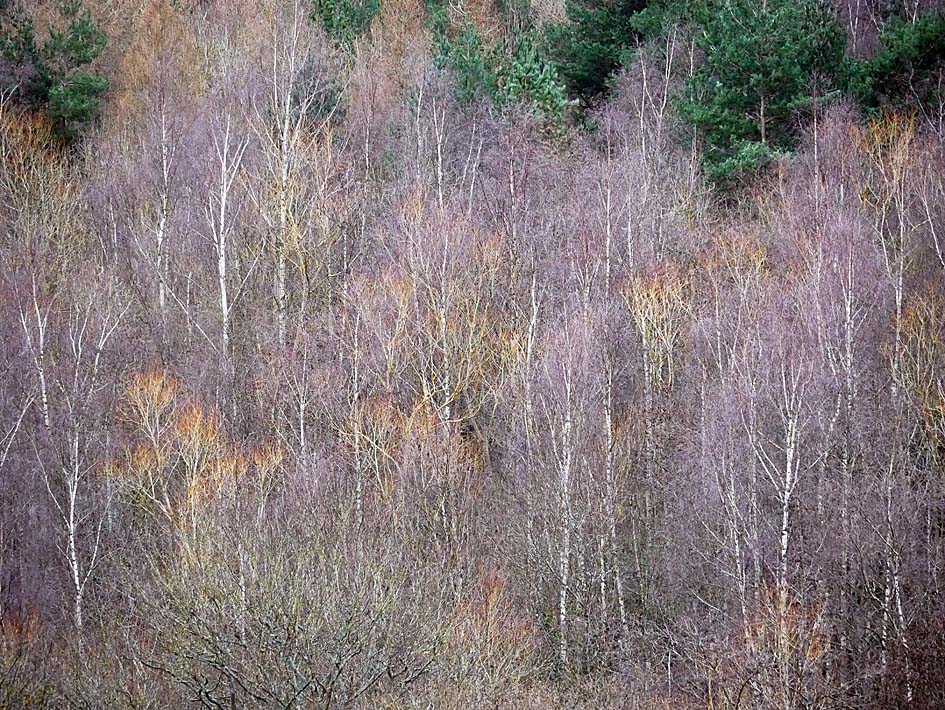
Silver birches and willows, seen from the top of the Nine Arches railway viaduct over the river Derwent. The buds of the birches take on a purplish hue at this time of year, as they begin to swell, while the willows have an orange tint.
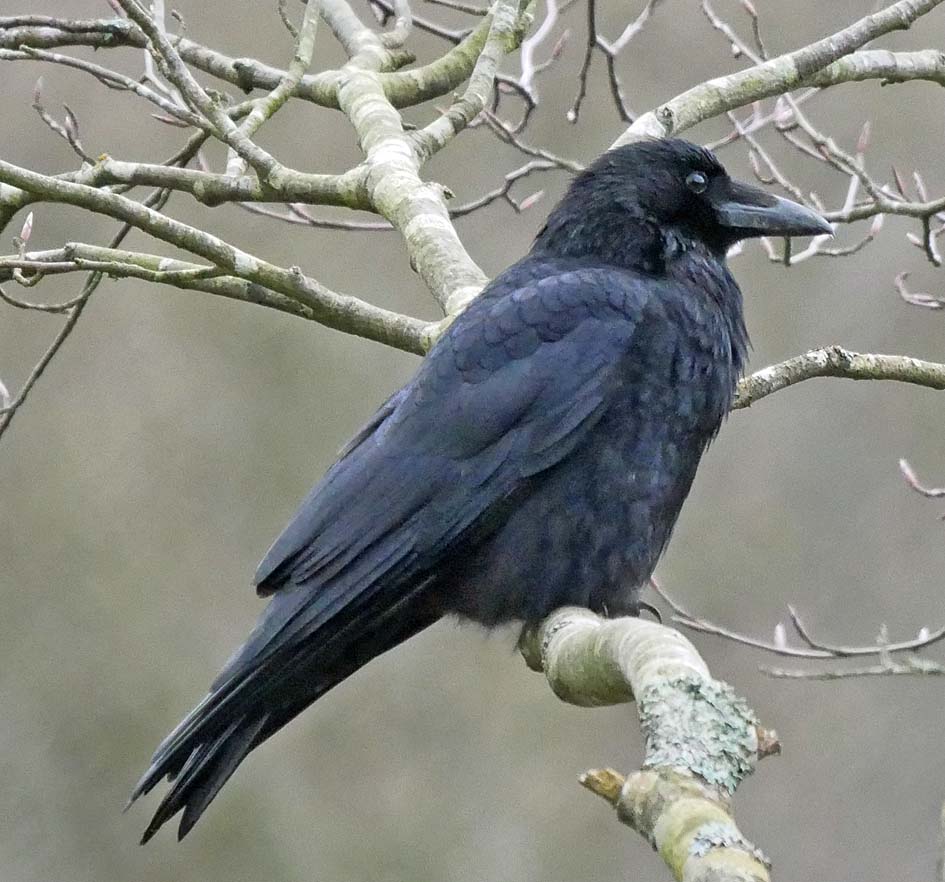
Carrion crow. Handsome birds, with a hint of blue iridescence in their plumage.
A fine display of colt'sfoot

Dutch rush Equisetum hyemale spore cones beginning to disperse spores. An uncommon plant, but there are some fine patches of it beside the footpath.
Golden saxifrage in full flower in a ditch beside the old railway line.

A heron with some fine chest plumes, feeding in the river Derwent.
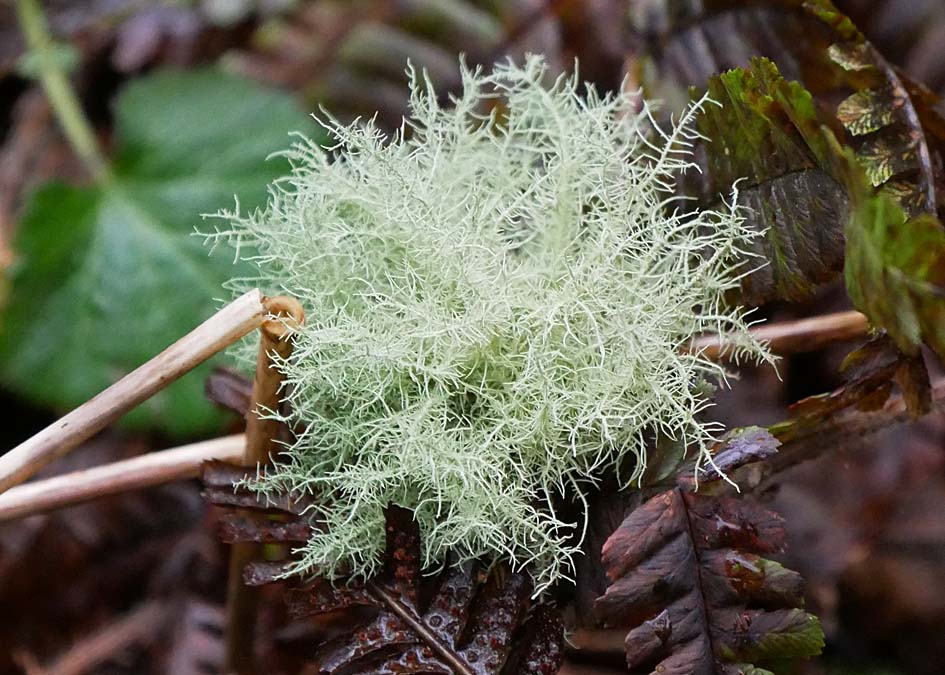
Beard lichen Usnea sp. Remarkable that this pollution-sensitive species is now established here, when you consider that this was formerly a location for coal mines, an ironworks and the Derwenthaugh coking plant that only closed down in 1986.

A magpie in one of the meadows
Primroses in flower
A soaring red kite

Toads coming out of hibernation in the woodland, heading for Clockburn lake, on the site of the old coking plant
Wood anemones in flower in woodland beside the river Derwent


Saturday, April 2, 2016

Golden Saxifrage: alternate- or opposite-leaved?

There are some spring woodland wild flowers that are so common and widespread that they are barely noticed amongst the showier species like primroses, bluebells and wood anemones. One such is golden saxifrage   .........


..... seen here growing beside Thorsgill near Egglestone Abbey in Teesdale.

Initially I thought this is the very common opposite-leaved golden saxifrage but when I posted this picture on Twitter one keen-eyed observer, @Feldbotanik, pointed out that at least some of these plants are the much rarer alternate-leaved golden saxifrage, which I have never seen before. Both species sometimes grow together. I must go back for a closer look!

This is usually the first of the woodland wild flowers to bloom and when it does it really lights up the shady, stream-side habitat that it favours. It creeps across the surface of boulders and fallen trees, forming a dense mat of flowers.

If you search through wild flower books they'll have almost nothing to say about this near-ubiquitous plant apart from a general description of the species and its habitat, despite the fact that it grows almost everywhere except the intensely farmed eastern counties of England. 

There seems to be no folklore and herbal medicine attached to it and it only has two local names (according to Geoffrey Grigson's The Englishman's Flora) - creeping Jenny (in Sussex) and buttered eggs (in Wiltshire). 

Grigson also mentions that in the Vosges it is eaten as a salad under the name of cresson de roche, but apart from that no one seems to have anything much to say about it.


Its flowers are, though, a very welcome sight in the earliest days of spring. They are surrounded by leafy bracts, but ....


... the actual flowers are very small. There are 8 stamens but no petals - those yellow, rounded petal-like structures are sepals. A small pool of nectar, which you can see glistening here, collects in the centre of the flower and attracts the attention of fly pollinators as soon as they emerge in spring.


Wednesday, March 19, 2014

The Last Day of Winter in Teesdale


Spent the last day of winter walking beside the river Tees through woodland downstream of Egglestone Abbey in Teesdale. The pace of spring is picking up!


Sunlight streaming through hart's tongue fern fronds, revealing the herringbone pattern of sori underneath.


Ivy berries ripening fast - a fine crop, food for many birds.


Wood anemones coming into flower.


Male cones of yew releasing pollen


Golden saxifrage in full bloom.


Sunday, May 5, 2013

Some early spring wild flowers


Lesser celandine


Coltsfoot


Primrose


Dog violet


Forget-me-not....


Dog's mercury......


Dog's mercury has blue pollen


 Spurge laurel ...........


Golden saxifrage


Moschatel (aka town hall clock) 


Goat willow (aka sallow)


Toothwort 


Sunday, February 27, 2011

Spring Greens


These golden saxifrage flowers are amongst the first to appear in spring and even though they are green (except for their yellow stamens) they are a very welcome hint of what is to come. These were growing beside a little tributary of the Tees, downstream from Egglestone bridge, on Saturday.


There's fresh new green growth everywhere - these are the new shoots of silky wall feather-moss Homalothecium sericeum creeping out over their rocky substrate, in Teesdale.....


... and amongst last autumn's decaying leaves in a beech wood these pristine cuckoo pint leaves were unfurling.

Thursday, April 1, 2010

Spring Greens


Some of the earliest spring wild flowers, like this golden saxifrage Chrysosplenium oppositifolium, are green-flowered and so easily overlooked amongst the prettier violets and primroses, but they do have their own  subtle beauty. This is a plant that's always associated with wet places, like stream banks and the edges of waterfalls. There are two species; this one has opposite pairs of leaves on the main stem, whilst C. alternifolia has its leaves arranged alternately and is much less common. The easiest way to tell them apart is to roll the stems between your fingers - they're square in C.oppositifolia and triangular in C. alternifolia.

Yesterday there were some fine patches of C. oppositifolia just coming into full bloom in Teesdale, on the banks of some of the streams that feed into the Tees along the footpath from Egglestone Abbey to the Meeting of the Waters.