These pictures were taken at the end of June, during a walk from St.John's Chapel in Weardale onto the slopes of Chapel Fell, then down into Daddry Shield and back along the river Wear to St.John's Chapel. It's a great circular walk, with splendid views, and when you get to the highest point the only sounds come from wind, water and birds.

Down in the valley, at Harthope Burn, hawthorn was still in peak blossom - incredibly late this year.


The path up onto the fell is along a wide, stony track fringed with drifts of wood cranesbill, lady's mantle and cow parsley - a natural perennial herbaceous border. Garden designers at the Chelsea Flower Show spend a fortune trying to replicate this.
In the foreground, wood cranesbill; in the background fields full of buttercups which have produced a memorable spectacle this year. Poor grass growth in the late spring prevented farmers taking an early crop, so the buttercups and cow parsley in the meadows have benefited from a stay of execution.
When we reached the highest point on the walk we were briefly surrounded by a flock of swifts that treated us to a display of aerobatics.

The last deciduous tree on the path up - a rowan, in full bloom. Legend has it that these were planted around farm houses to ward off witches.
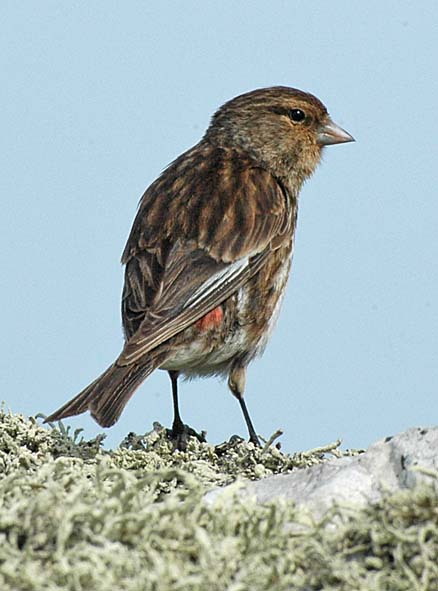
Meadow pipits are one of the commonest birds in the high pastures
The last flowery meadow - above this elevation the pastures are rough grass and rushes.

The views into upper Weardale from here are stunning.


The lapwings had chicks so were keen to deflect our attention.
Back down in the valley, at Daddry Shiield, burnet rose was in full bloom. This is the first wild rose species to flower here in summer and by far the most fragrant.
A haymeadow, along the footpath beside the river Wear between Daddry Shield and St. John's Chapel.
Hay rattle is the characteristic wild flower in these old meadows.
Marsh orchids, flowering on the river bank.
A young rabbit, wondering whether to stay put or bolt for cover.
Snow-in-summer Cerastium tomentosum, tumbling over stone walls in St. John's Chapel.
A perfect summer day.







 Posts
Posts


