Showing posts with label meadows. Show all posts

Friday, May 22, 2026

Bistort Polygonum bistorta: wild flower, food and herbal medicine


Bistort Polygonum bistorta, flowering in damp hollows in an old hay meadow at Wolsingham in Weardale, on a route that I often take on one of my local walks.

From a distance the pink flower spikes look like orchids, but this plant is a member of the much less charismatic dock family. It lacks orchids’ botanical celebrity status but has an interesting history in food and folk medicine.

I’ve never dug it up so can only take on trust accounts that say that its underground rhizome is often coiled like a snake, the source of its alternative colloquial names adderwort and snakeweed in Somerset, and its ancient use in treating snakebite.

In a less-lethal context, bistort has a long association with assisting pregnancy: ‘to help to conceyvve, make electuary of powdre of bistorte in quantyte of halfe a pounde …. and swete smellyngs spices of the same weyght’, wrote Peter Treveris in his Grete Herball of 1526.

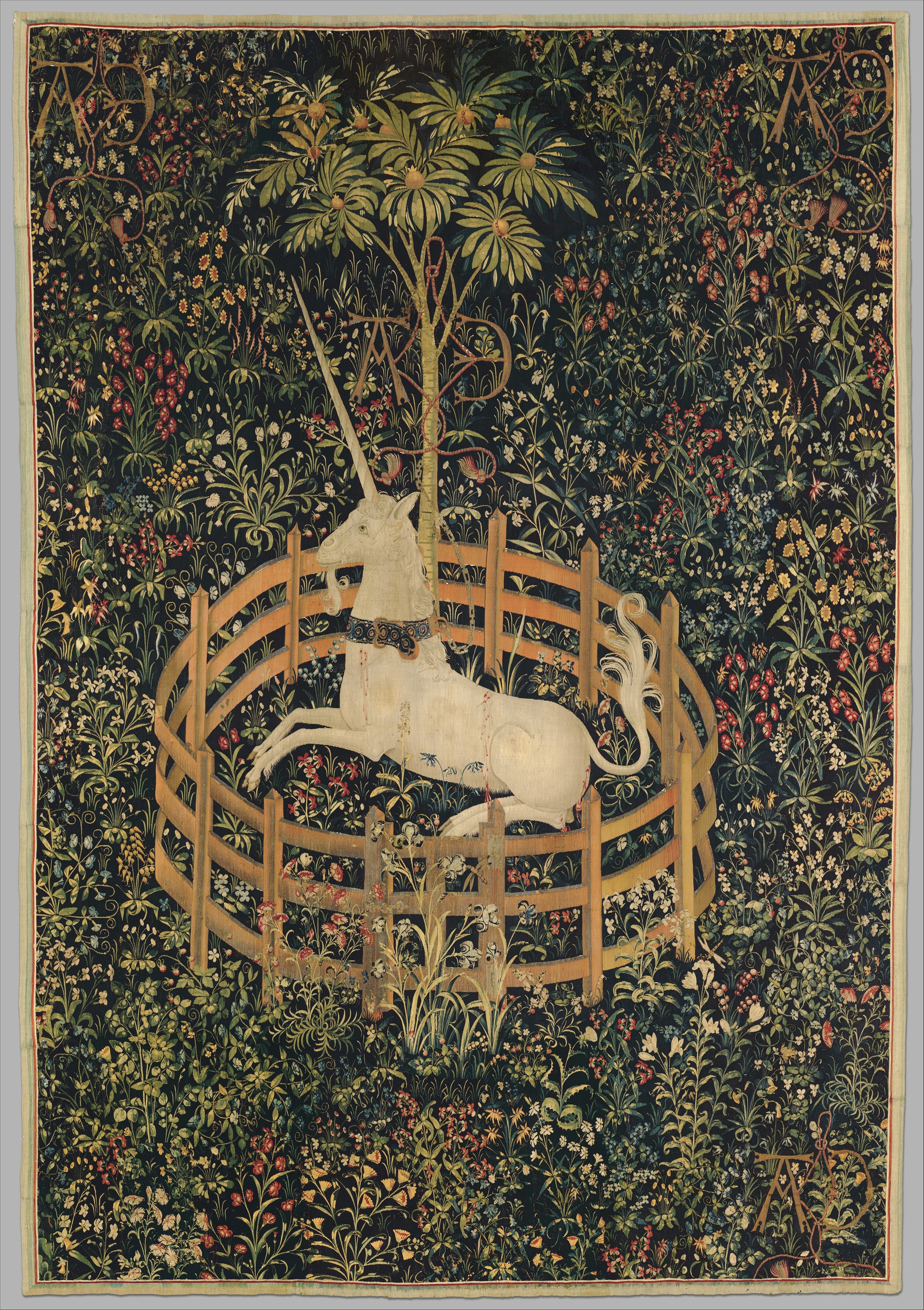
There’s an early allusion to its healing powers woven into a fabulous early 16th. century French tapestry, The Unicorn in Captivity, now displayed in the Met in New York, where bistort sits against the right foreleg of the wounded mythical beast.

In a culinary context, it’s the key ingredient in the classic traditional Easter-ledge pudding of Cumbria, Lancashire and Yorkshire. Recipes vary, depending on location, but all require its leaves, harvested young at Easter-time, usually boiled with nettle tops, oat-meal and chopped onions, bound together with egg, made into patties and fried. Every spring the World Easter-ledge Pudding Championship is held at Mytholmroyd near Hebden Bridge in Calderdale.


Thursday, June 18, 2015

Meadow saxifrage

Thursday's Guardian Country Diary is all about this very attractive little flower, meadow saxifrage Saxifraga granulata. It's a species of meadows and pastures that has been in continuous decline for decades thanks to the 'improvement' of old grasslands with fertilisers and selective herbicides, which favour grasses and lead to a decline in wild flower diversity.


Fortunately there are still a few places in Teesdale where you can see it in profusion and one of the best sites is in the meadows that surround ....


.....the ruins of Egglestone Abbey in Teesdale.


You can read more about the history of the abbey by clicking here.


Meadow saxifrage thrives on the slopes leading up to the castle walls....


...... covering them in a haze of white flowers ...


..... and merging into the buttercups in the meadow below.


The most picturesque way to approach the abbey is via the footpath that runs over this tiny packhorse bridge, next to a more recent road bridge.


The packhorse bridge spans Thorsgill which flows into the river Tees about fifty metres downstream from this point.

The view from the bridge, along this little valley, can't have changed very much since the White Canons, who worshipped in the abbey, last passed this way over 500 years ago.


The valley has a fine population of meadow saxifrage too. It tends to grow in dense groups in the grass because it produces clusters of tiny buds called bulbils (the granules that the specific name granulata refers to) when the flowers and foliage die down in July, so when they sprout next year a whole group of plants grow up where only one existed before. The bulbils are also carried around in mud on the feet of cattle, which unwittingly plant it in their footsteps. 


Friday, June 15, 2012

Teesdale in early June.........


In early June the meadows in the middle part of the dale, around Middleton-in-Teesdale, are full of buttercups, while...


... the hawthorn blossom beside the riverbank footpaths is just past its peak.


In the middle of the river this fledgling dipper has been parked on a stone by its parents that are away collecting food, though it looks like it could feed itself.


This young rabbit was using a coltsfoot leaf for cover but ....


... it would have done better to run for the dense stand of butterbur leaves that could hide a hundred rabbits.


Upstream of Middleton-in-Teesdale, on the way to Bowlees, there are globe flowers blooming on the riverbank, alongside the white umbels of pignut.


You can hear a spotted flycatcher's beak snap shut when it catches a fly ..... and there are plenty of those around, including .....


... dungflies that are plentiful wherever there is livestock grazing in the fields and ....


..... empid flies that use nectaries of wood crane'sbill flowers are fuel stations.


The wet weather hasn't been kind to bees and this little solitary bees resting on an oak leaf looked bedraggled. Can anyone help with an ID? 


Hay rattle is coming into bloom in the hay meadows .....


..... and mountain pansy Viola lutea is flowering well. The epithet lutea means yellow but pure yellow pansies are in the minority - most have variable amounts of purple in their petals and this has a hint of it in the petal tips.