Showing posts with label Bird's-eye primrose. Show all posts

Thursday, June 2, 2016

Spring on Widdybank Fell


Today's Guardian Country Diary is about the botanical jewels that grow in one of the last places that spring reaches in the North Pennines. This part of Upper Teesdale is an almost treeless landscape and even in mid-May the grass has only just begun to grow, but tucked down amongst the heather there are tough little flowers that survive in one of the harshest landscapes in England.


This is the view from Widdybank fell, one of the 'hot-spots' for these rare wild flowers. In the distance, across Cow Green reservoir, you can see (l-r) Great Dun fell, Little Dun fell and Cross fell. The vegetation across much of the landscape that you can see here is less that knee-high, frozen in winter, windswept and subject to high rainfall.

Nestling on the ground around me, when I took this photograph, there were .....


.... hundreds of bird's-eye primroses Primula farinosa .....
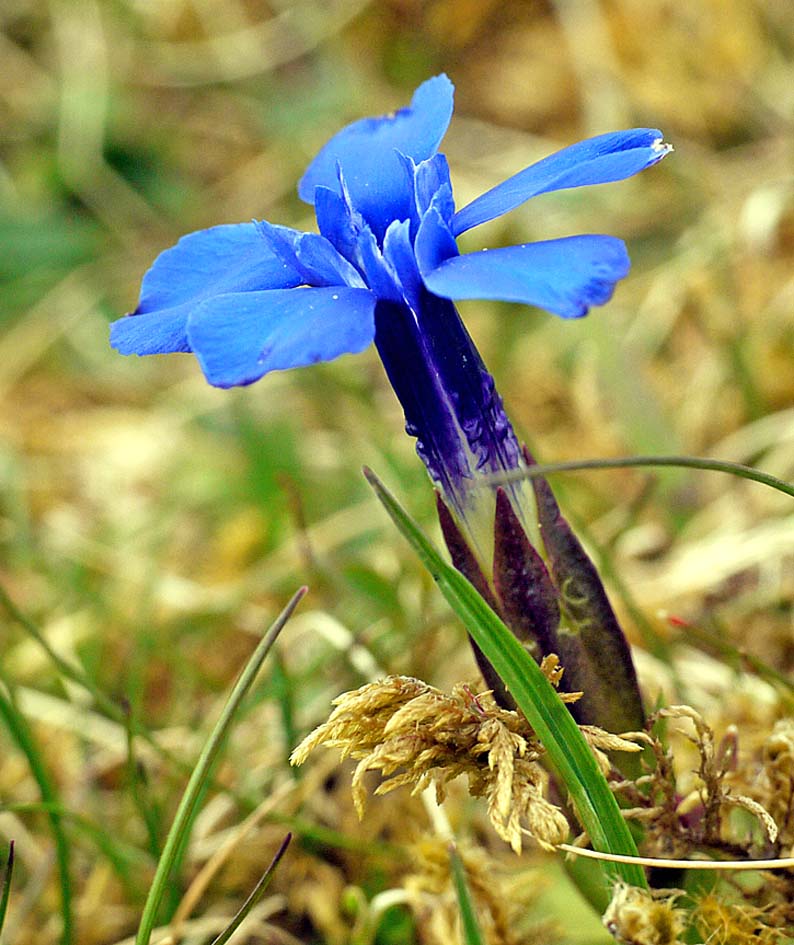


.... along with the intensely blue blooms of spring gentian Gentiana verna

You really need to get down on your hands and knees to appreciate these tiny but tough little plants. They draw visitors back to this bleak spot in May every year, to appreciate their extraordinary beauty.


Sunday, May 24, 2009

Bird’s-eye Primrose


Between Teesdale's High Force waterfall (see yesterday's posting) and the waterfalls at Wynch Bridge (bottom picture here) you can also find the diminutive bird’s eye primrose Primula farinosa, growing in shallow patches of soil on wet rock ledges close to the river. Their small leaf rosette and flower stalk is covered with waxy scales, known as farina, which make the plant easy to identify even when it isn’t in bloom. The flower shape, size and intensity of colour is variable in this species because, like the common primrose, there are two different forms of flower in the population, which ensures that the plants are cross-pollinated rather than self-pollinate, and so produce very variable offspring. Take a close look at the flowers in the top and second from top pictures here (double-click the image for a larger view). In the top plant you can see a ring of five stamens, which dispense pollen, at the top of the flower tube. The stigma, which receives pollen, is hidden way down inside the floral tube. In the plant in the second picture the single stigma is at the mouth of the flower tube and the stamens are hidden from view within. This differential positioning of stamens and stigmas in different individuals ensures that visiting insects cross-pollinate the flowers.