Thursday, March 16, 2023

Magpies in a sudden fall of snow

Earlier this week we had what I hope will be the last fall of snow before spring gets into its stride. It only lasted for a few hours, but for a while it created scenes of great beauty, transforming the bare crowns of the little oak wood at the end of the garden into a lacy tracery of white twigs. 


Snow provides a wonderful foil for the pied plumage of magpies. The pair below are attempting to nest again (see earlier post) but are being constantly harassed by crows that want to build in the same tree.


For a few hours the snowfall was a reminder of the stark beauty of the winter landscape.


The thaw set in overnight and now the magpies are back in the garden, collecting twigs for nest building.


Sunday, March 12, 2023

Yellowhammers in the garden

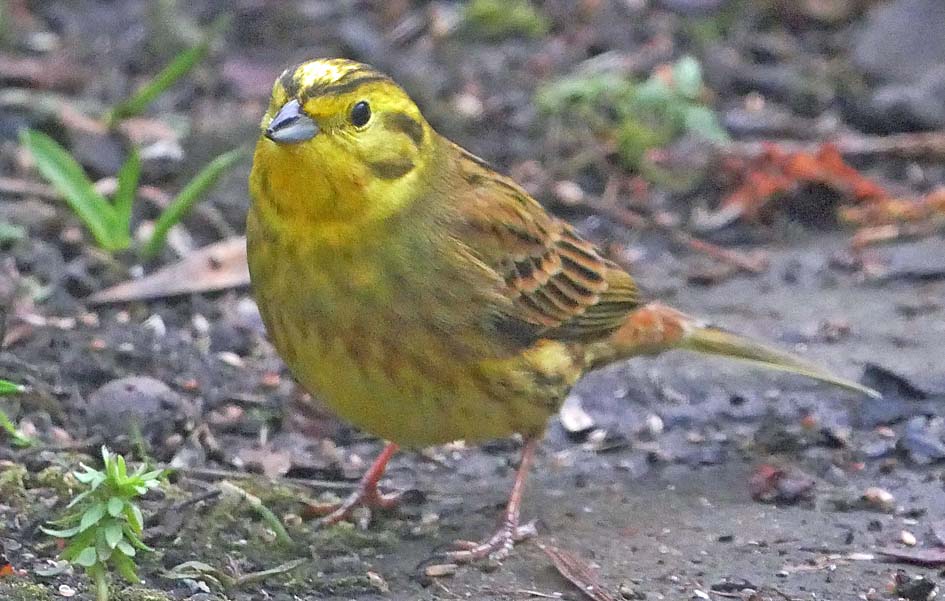
 The recent freezing weather brought yellowhammers into the garden. Tree sparrows dominate the pecking order on the bird seed feeders but they are messy eaters and the yellowhammers loiter on the ground underneath, feeding on fallen seeds. 


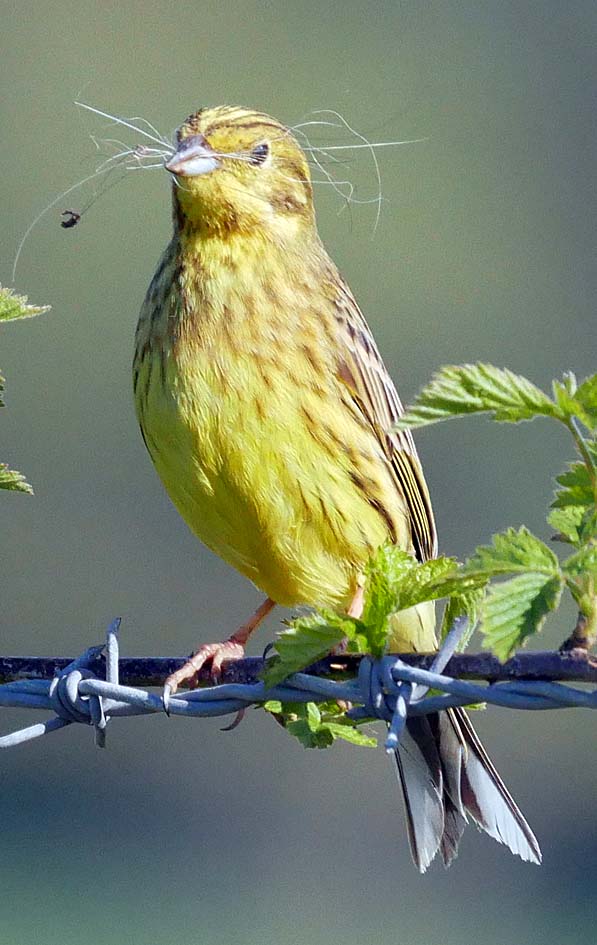
In late winter the birds haven't developed the full sulphur-yellow breeding plumage but as spring progresses their colour intensifies. We have quite a healthy population of yellowhammers locally, much of it on land that was opencast for coal until about twenty years ago then restored to agriculture, with a mixture of new and old hedges and some broad verges along old lanes that provide some good feeding opportunities. All the photographs below have been taken during the last three years and show the birds singing their 'little-bit-of-bread-and-no-cheese' song, collecting nest material and, in the last two, performing a courtship display. 


I've only witnessed the courtship display once. The cock bird danced around on the ground with its wings drooping and vibrating, with its head feathers raised in a crest.

Monday, March 6, 2023

Welcome back to greenfinches and collared doves

 It's good to see greenfinches back in the garden, after an absence of several years. They were common here a decade ago, then their numbers plummeted when trichomonosis disease struck. It's caused by a protozoan parasite that infects the bird's throat and prevents it from swallowing. It will be good to hear the greenfinches wheezy call again this summer. 


There is advice from the BTO here on managing bird feeders to reduce the spread of trichomonosis


Greenfinches' plumage becomes brighter and greener as the breeding season approaches.

Collared doves have also returned to the garden this spring and it looks like we have a pair that might breed. They did once before (see here). A decade ago, we had as many as a dozen visiting the garden, then their numbers steadily declined. I suspect that they are rather easy prey for sparrowhawks. They also have a gentle, nervous nature and are easily out-competed for their favourite bird table food - sunflower seeds - by the larger and much more assertive wood pigeons that visit the garden in larger numbers every year.