Showing posts with label Dog's mercury. Show all posts

Monday, March 16, 2026

Dog's mercury and the perils of colloquial plant names


Everyone looks forward to finding the first primroses, violets and bluebells blooming in spring, but the flowering of dog’s mercury Mercurialis perennis never gets a round of applause. But what it lacks in beauty, it makes up for with ecological gravitas and toxicity.

Dog’s mercury is common in woodlands almost everywhere and spreads via an underground rhizome, so large patches tend to be good indicators of very old woodlands and hedgerows. There are separate male and female plants, with the former being rather more common. This is a male plant, with stamens protruding from the tiny flowers.

Old colloquial plant names, like mercury, can lead to potentially dangerous confusion. The pot herb Good King Henry Chenopodium bonus-henricus also goes by the old name of English mercury and it is edible but dog’s mercury is most definitely poisonous. John Gerard, referring to it as French mercury in his herbal of 1597, seems to have confused the two, which may be why he wrote that it ‘cleanse and scour away the excrements and other filth contained in the guts. It serveth to purge the belly, being eaten or otherwise taken, voiding out of the belly not only the excrements, but also phlegm and choler.’


Tuesday, March 21, 2023

A slow start to spring

 It has been a hesitant spring here in County Durham, in the North Pennines, but a few wild flowers are beginning to bloom. Here are some from the first half of March.


Colt'sfoot, in Teesdale and beside the river Tyne in Hexham

Butterbur, beside the river Tyne in Hexham yesterday
Elm flowering on the edge of woodland near Wolsingham, Weardale
Yellow star of Bethlehem, locally rare, just coming into bloom during the first week of March, beside the river Wear near Wolsingham, Weardale. I've known this small population for over 40 years and it is increasing very slowly.

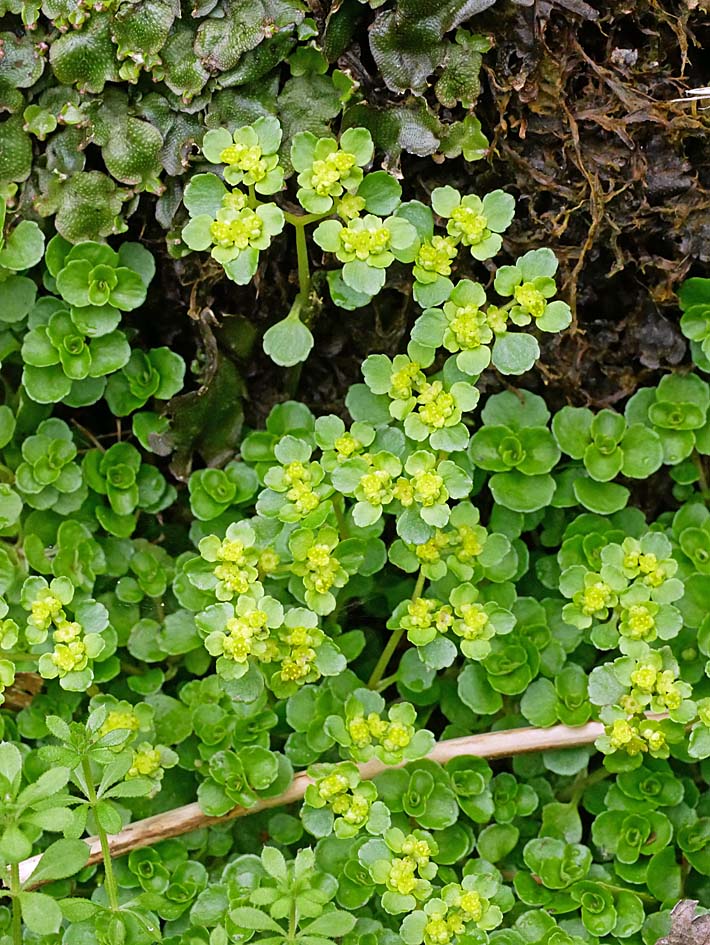
Opposite-leaved golden saxifrage, in Teesdale and at Hexham in Tynedale

Hairy bittercress, infesting my garden and already producing seed pods
Primroses in the snow in my garden


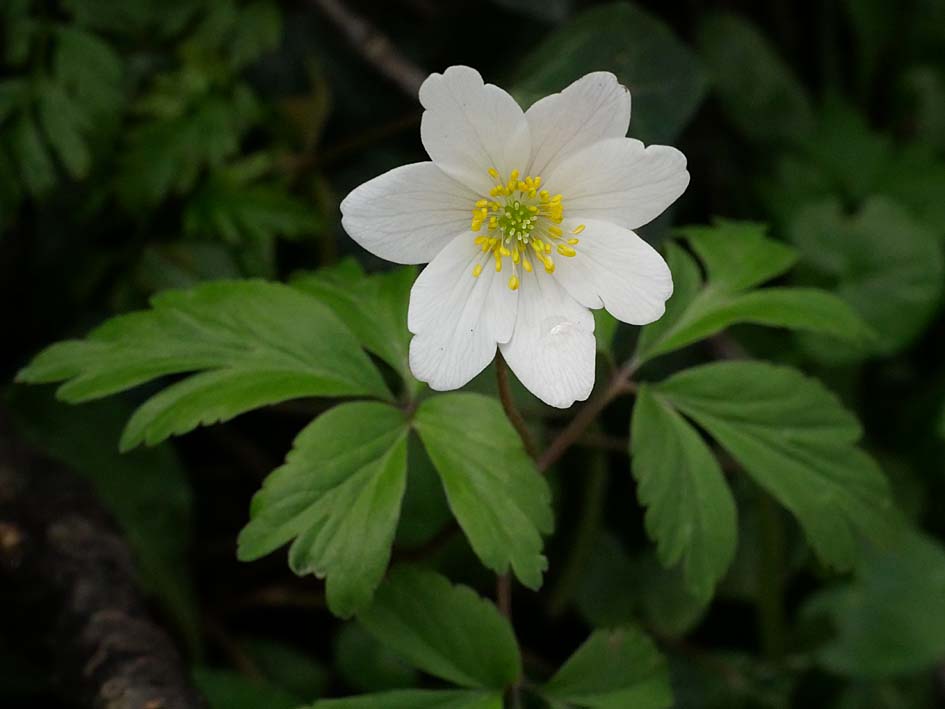
Wood anemones in woodland beside the river Tees at Egglestone

Barren strawberry growing in an old wall in Teesdale
Some early blackthorn blossom, from the beginning of the month
Cherry-plum at Willington in the Wear valley. The earliest blossom was damaged by freezing temperatures and snow

Male flowers of dog's mercury, in a woodland in Teesdale

Stinking hellebore flowering near Hawthorn Dene on the Durham coast, at the beginning of the month

Winter aconites flowered at the end of February and had run to seed by early March. These are in the churchyard at Wolsingham in Weardale.


Dog violets, flowering in my garden today

Sunday, May 5, 2013

Some early spring wild flowers


Lesser celandine


Coltsfoot


Primrose


Dog violet


Forget-me-not....


Dog's mercury......


Dog's mercury has blue pollen


 Spurge laurel ...........


Golden saxifrage


Moschatel (aka town hall clock) 


Goat willow (aka sallow)


Toothwort 


Wednesday, March 21, 2012

Dead, but still looking good....


These carline thistles Carlina vulgaris flowered last summer but their papery seed heads survive the winter and still look decorative in spring. Photographed yesterday on the cliffs south of Seaham in Co.Durham, along with...


..... blackthorn coming into bloom ....


..... dog's mercury ......


.... some magnificent, coconut-scented gorse blossom ...


..... stinking hellebore Helleborus foetidus, almost certainly a garden escape .....


..... along with some irrepressible daffodils, struggling to flower through a tangle of last year's bramble stems

Monday, April 5, 2010

..... more Spring Greens

Someone asked me a while ago why most spring wild flowers are yellow. Having thought about it for a bit, I'm not sure that's really the case ....... thanks to their sheer numbers, yellow-flowered lesser celandines and primroses are a very conspicuous part of the flora, but there are quite a few green-flowered spring species too. Perhaps the most interesting is Moschatel Adoxa moschatellina, also known as town-hall clock on account of the fact that four of its tiny flowers face outwards, like clock faces on a clock tower. There's also a fifth flower in the inflorescence, that points directly upwards, and one of the unusual features is that the single upward-pointing flower has four petals whereas the four outward-facing flowers have five.
Moschatel is an inconspicuous plant but it's worth taking a close look at the flower with a magnifying glass ..... and taking a sniff. It has a faint musky smell after rain, which is said to attract small flies...although my sense of smell isn't what it once was, and I can barely detect it.
There's nothing faint about the smell of Alexanders Smyrnium olusatrum flowers ...... it's just downright unpleasant and attracts flies. This glossy-leaved umbellifer was once cultivated as a pot-herb and it's quite common around the coast - often near habitation, suggesting a garden origin. Large numbers of plants are coming into bloom on the headland at Tynemouth now, but .....
.. there's a distinct shortage of flies around to pollinate its flowers, although this black ant was attracted by the nectar.
Forty years ago, when I lived in Sussex I used to find spurge laurel Daphne laureola quite frequently in beech woods but up here in Durham it's much less common. There are some plants in Castle Eden Dene and a few in Weardale. Its sweet-scented green flowers attract the first bumblebees to emerge from hibernation and it produces black berries in summer.
Dog's mercury Mercurialis perennis is common everwhere. It spreads via a slow-growing underground rhizome, so large patches tend to be good indicators of old woodlands and hedgerows. There are separate male and female plants, with the former being rather more common.

Like most flowers, even those of dog's mercury become more interesting when you take a close look .... these are the flowers of a male plant, with the anthers shedding pollen, which is carried by the wind rather than by insects.