Showing posts with label Coltsfoot. Show all posts

Thursday, March 21, 2024

Early spring in the Derwent Walk Country Park, Gateshead

 Some pictures from a walk last week in the Derwent Walk Country Park, Winlaton Mill, Gateshead.

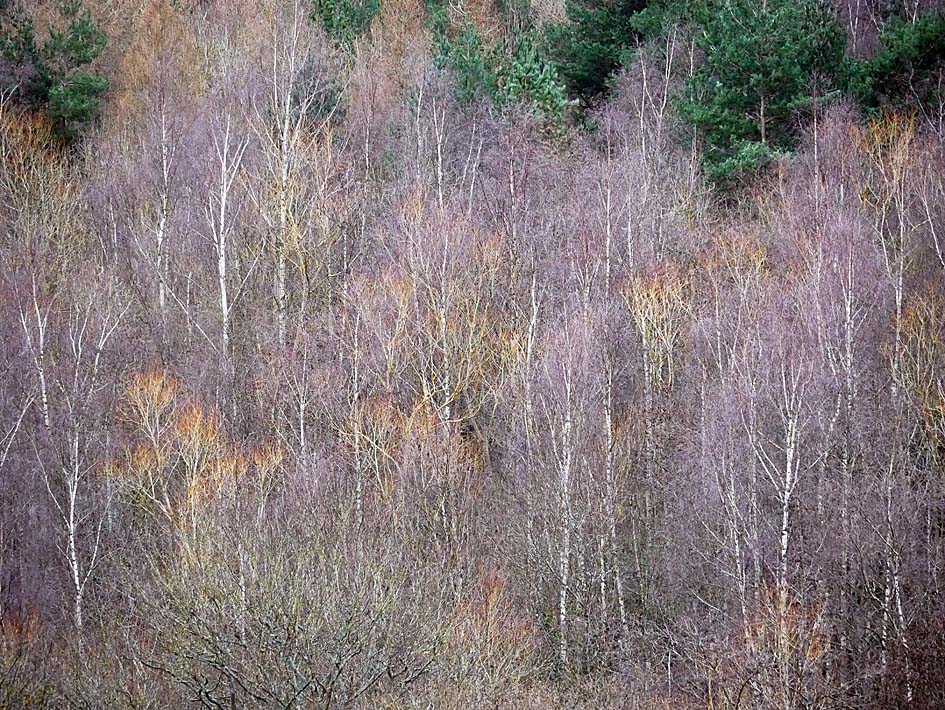
Silver birches and willows, seen from the top of the Nine Arches railway viaduct over the river Derwent. The buds of the birches take on a purplish hue at this time of year, as they begin to swell, while the willows have an orange tint.
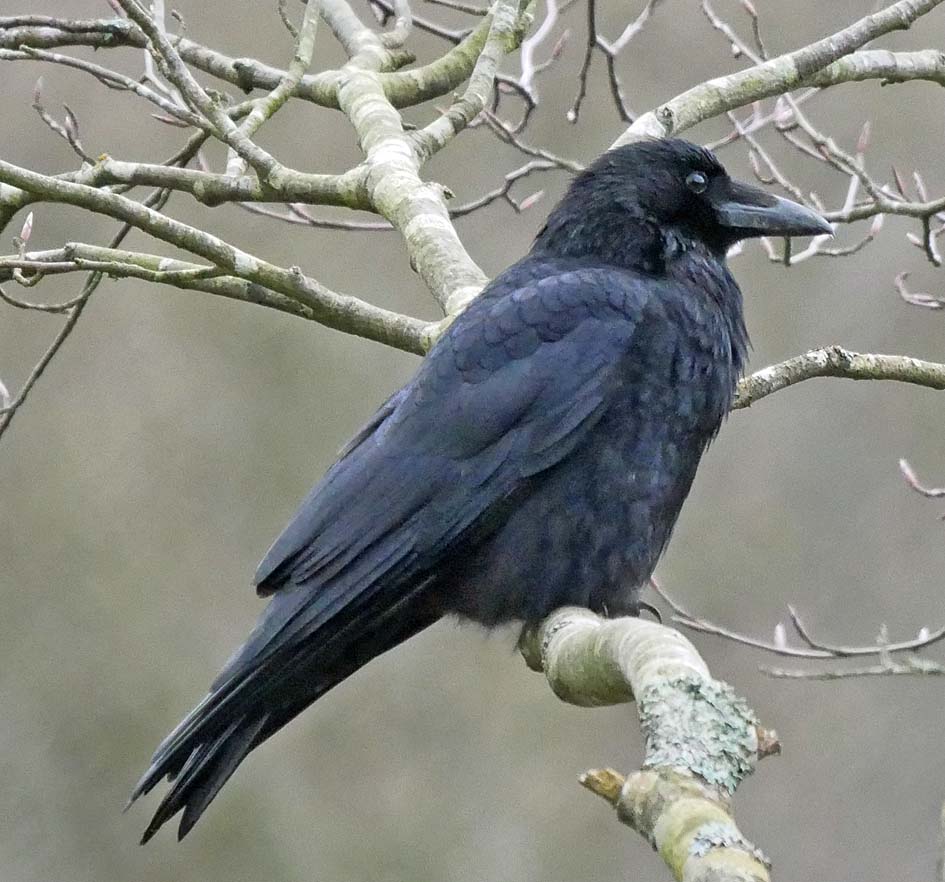
Carrion crow. Handsome birds, with a hint of blue iridescence in their plumage.
A fine display of colt'sfoot

Dutch rush Equisetum hyemale spore cones beginning to disperse spores. An uncommon plant, but there are some fine patches of it beside the footpath.
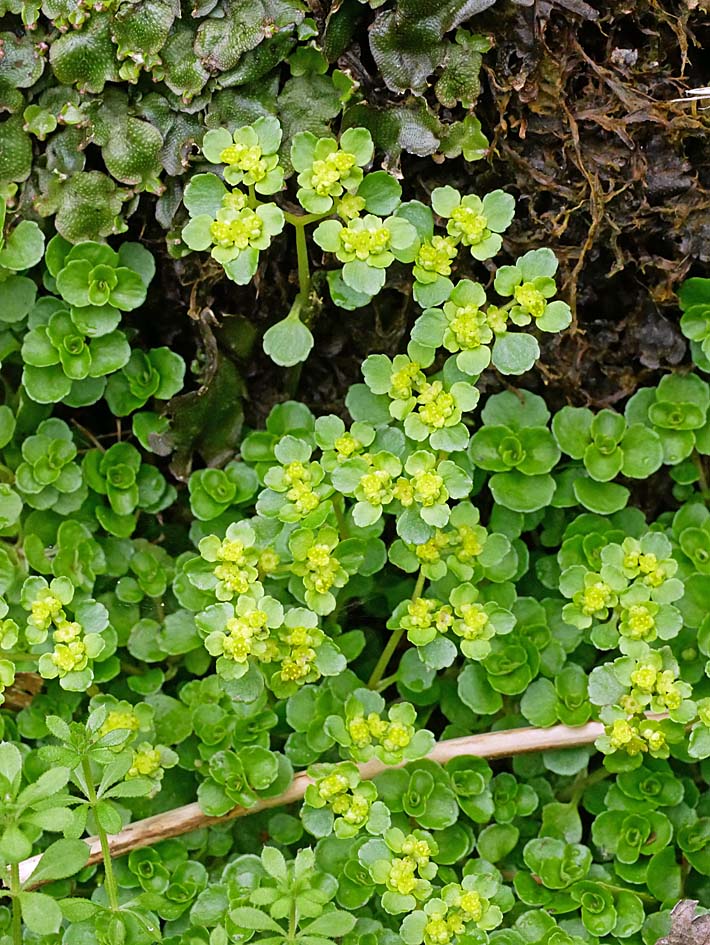
Golden saxifrage in full flower in a ditch beside the old railway line.

A heron with some fine chest plumes, feeding in the river Derwent.
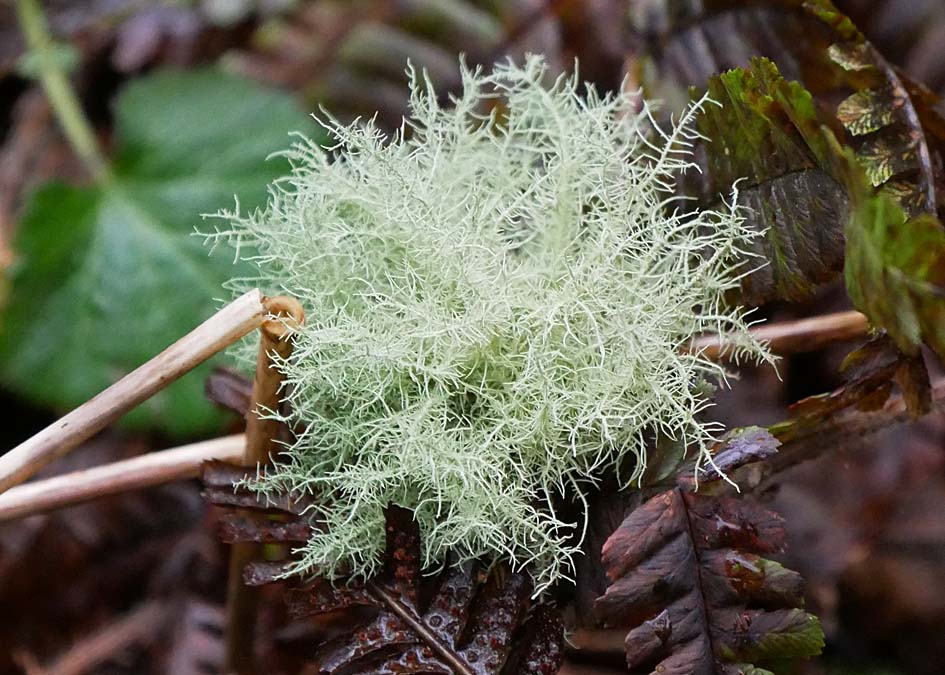
Beard lichen Usnea sp. Remarkable that this pollution-sensitive species is now established here, when you consider that this was formerly a location for coal mines, an ironworks and the Derwenthaugh coking plant that only closed down in 1986.

A magpie in one of the meadows
Primroses in flower
A soaring red kite

Toads coming out of hibernation in the woodland, heading for Clockburn lake, on the site of the old coking plant
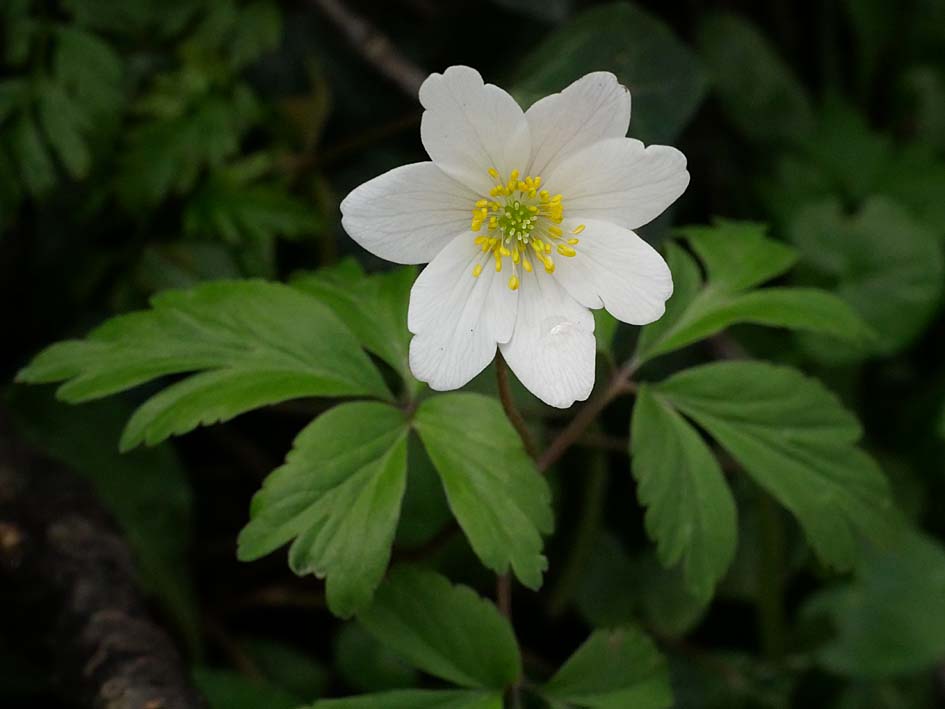
Wood anemones in flower in woodland beside the river Derwent


Tuesday, March 21, 2023

A slow start to spring

 It has been a hesitant spring here in County Durham, in the North Pennines, but a few wild flowers are beginning to bloom. Here are some from the first half of March.


Colt'sfoot, in Teesdale and beside the river Tyne in Hexham

Butterbur, beside the river Tyne in Hexham yesterday
Elm flowering on the edge of woodland near Wolsingham, Weardale
Yellow star of Bethlehem, locally rare, just coming into bloom during the first week of March, beside the river Wear near Wolsingham, Weardale. I've known this small population for over 40 years and it is increasing very slowly.

Opposite-leaved golden saxifrage, in Teesdale and at Hexham in Tynedale

Hairy bittercress, infesting my garden and already producing seed pods
Primroses in the snow in my garden


Wood anemones in woodland beside the river Tees at Egglestone

Barren strawberry growing in an old wall in Teesdale
Some early blackthorn blossom, from the beginning of the month
Cherry-plum at Willington in the Wear valley. The earliest blossom was damaged by freezing temperatures and snow

Male flowers of dog's mercury, in a woodland in Teesdale

Stinking hellebore flowering near Hawthorn Dene on the Durham coast, at the beginning of the month

Winter aconites flowered at the end of February and had run to seed by early March. These are in the churchyard at Wolsingham in Weardale.


Dog violets, flowering in my garden today
Thursday, March 19, 2015

Deconstructing Coltsfoot

Thursday's Guardian Country Diary is all about coltsfoot.


With its radiant yellow petals, it's one of those cheerful flowers that's a signpost on the path to spring, all the more striking because the flowers appear long before the foliage. They spear through the soil unnoticed, then open as soon as the sun comes out.

The plant grows from a creeping underground rhizome that stores starch - the fuel for that rapid burst of growth in spring. When the rhizomes are fragmented even small segments regenerate into a new plant, which is why it persists so well in urban environments, carried around and endlessly redistributed in developers' soil and rubble.


Part of its appeal lies in its extraordinary tenacity and tolerance of inhospitable habitats. This crowd of flowers appeared between the massive stone blocks that armour the sea wall against the waves at the mouth of the river Wear in Sunderland.


Coltsfoot is one of those familiar wild flowers that's a pleasure to see in spring, but it's one that is rarely closely examined. There are two kinds of florets in the inflorescence. The central core of around thirty disk florets open in centripetal sequence over a few days and have no petals. The surrounding ray florets are far more numerous - perhaps as many as two hundred.


A closer look reveals that the central disk florets are hermaphrodite, each with a ring of stamens and a central stigma that grows up through them, acting like a piston that pushes pollen ahead of it. Presumably these are capable of self-pollination, as well as presenting pollen to a visiting pollinator for onward transfer to another flower. Some books claim that the disk florets are entirely male, but in the flowers that I've looked at they have a stigma and stamens. The disk florets are enclosed in sepals, that open to form a pointed star.

The surrounding ray florets are female only, with a longer, thinner stigma that divides into two near its tip, ready to receive pollen from a visiting insect. 


Here's s closer view of a central disk floret, with a pile of pollen perched on the tip of its stigma that has forced its way up through the surrounding tube of stamens. 
Stigmas of the female ray florets are visible on the left.


Closer still, and here you can see the receptive surface of the stigma of a disk floret, with its surrounding tube of stamens after it has forced its way up through them. In this case the pollen has been brushed off the stigma surface, perhaps by a visiting insect.


Here you can see there that stigmatic papillae - minute finger-like projections where pollen attaches when these stigmas are self-pollinated.


A single disk floret, removed from the inflorescence.


Pollen grains adhering to the surface of the stigmas of the all-female ray florets, after a visit by a pollinator carrying pollen.


Unpollinated ray floret stigmas of a newly-opened inflorescence, with their narrow, strap-shaped petals.


Comparison of a ray floret (upper left) with its stigma and petal and a disk floret (right) with its stigma and stamens. The slender structures at their base are the hairs that will grow after pollination and form the pappus - the parachute of hairs that will carry away the ripe seed on the wind.

One curious feature of these two forms of floret is that their stigmas and styles are so different - slender in the female florets but much more robust the the central disk florets where they perform a dual function, of pollen presentation and a site for self-pollination. Both appear to have ovaries at their base but I need to have another look after pollination to see if seeds are formed in both and whether, if they do, they are identical.

Coltsfoot is one of many examples of common wild flowers that are far more complicated that they seem. They are remarkably complex, intricate mechanisms that have evolved to compete for the few pollinators that are around in early spring - and to ensure that both cross- and self-pollination can occur in the same inflorescence.