Friday, May 22, 2026

Bistort Polygonum bistorta: wild flower, food and herbal medicine


Bistort Polygonum bistorta, flowering in damp hollows in an old hay meadow at Wolsingham in Weardale, on a route that I often take on one of my local walks.

From a distance the pink flower spikes look like orchids, but this plant is a member of the much less charismatic dock family. It lacks orchids’ botanical celebrity status but has an interesting history in food and folk medicine.

I’ve never dug it up so can only take on trust accounts that say that its underground rhizome is often coiled like a snake, the source of its alternative colloquial names adderwort and snakeweed in Somerset, and its ancient use in treating snakebite.

In a less-lethal context, bistort has a long association with assisting pregnancy: ‘to help to conceyvve, make electuary of powdre of bistorte in quantyte of halfe a pounde …. and swete smellyngs spices of the same weyght’, wrote Peter Treveris in his Grete Herball of 1526.

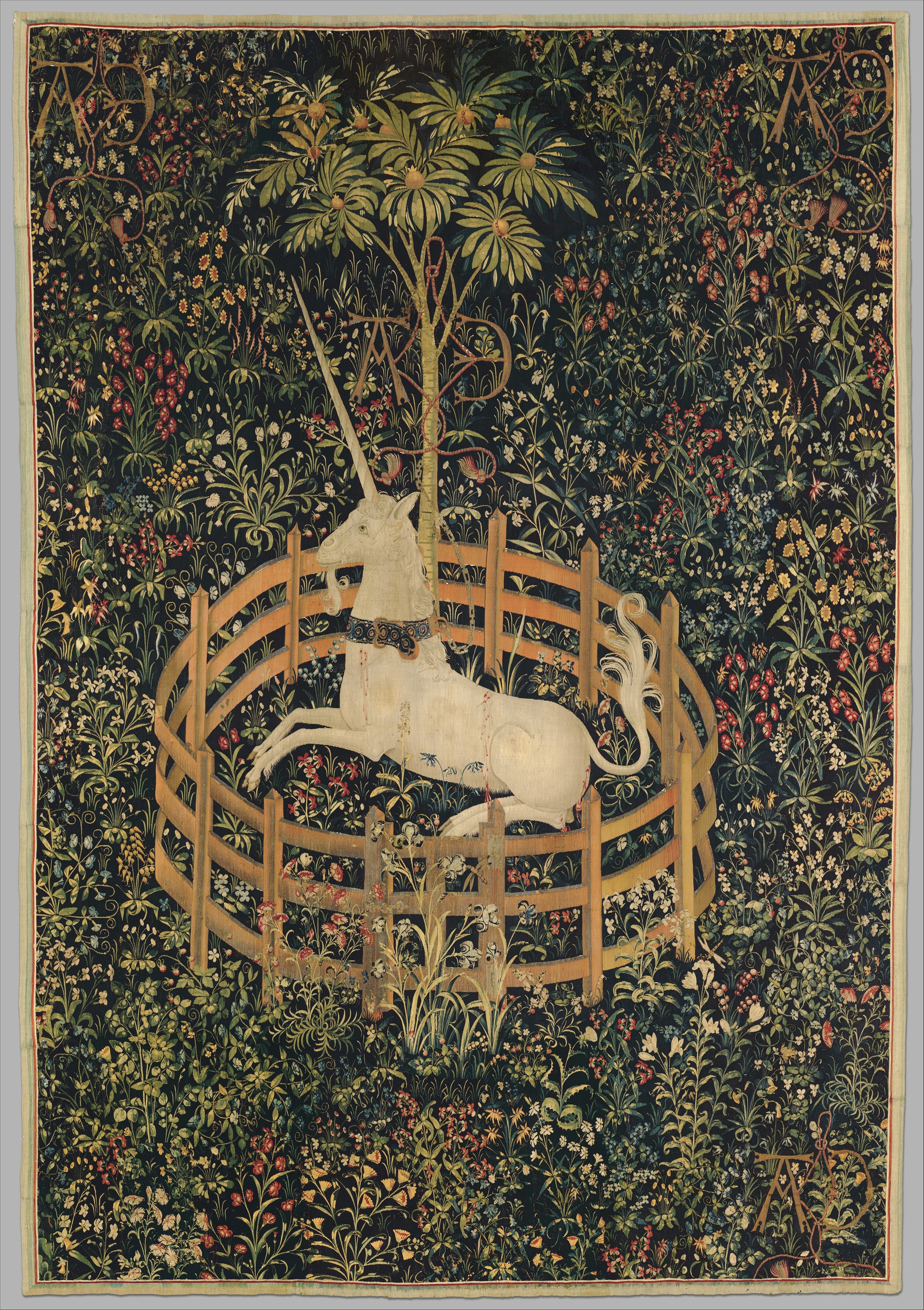
There’s an early allusion to its healing powers woven into a fabulous early 16th. century French tapestry, The Unicorn in Captivity, now displayed in the Met in New York, where bistort sits against the right foreleg of the wounded mythical beast.

In a culinary context, it’s the key ingredient in the classic traditional Easter-ledge pudding of Cumbria, Lancashire and Yorkshire. Recipes vary, depending on location, but all require its leaves, harvested young at Easter-time, usually boiled with nettle tops, oat-meal and chopped onions, bound together with egg, made into patties and fried. Every spring the World Easter-ledge Pudding Championship is held at Mytholmroyd near Hebden Bridge in Calderdale.


Saturday, May 16, 2026

Meadow saxifrage, hiding in plain sight


This very attractive little flower is meadow saxifrage Saxifraga granulata. It’s a species of meadows and pastures and it has been in continuous decline for decades, thanks to the ‘improvement’ of old grasslands with fertilisers and selective herbicides, which favour grasses and lead to a decline in wild flower diversity.

I had never seen meadow saxifrage until I moved to the north east, where many of the unimproved meadows still survive. There are a few in Teesdale where it grows in great profusion. It flowers in early spring, before many of its competitors hit their stride, but its season is short and it becomes harder to spot when other hay meadow wildflowers grow taller.

It tends to grow in dense groups in the grass because it produces clusters of tiny buds called bulbils (the granules that the specific name granulata refers to) when the flowers and foliage die down in July, so when they sprout next year a whole group of plants grow up where only one existed before. The bulbils are also carried around in mud on the feet of cattle, which unwittingly plant it in their footsteps.


I was delighted to find these plants at Wolsingham in Weardale last week, just a few miles from home, in a corner of a meadow I must have walked through hundreds of times over the last fifty years, without ever noticing them before.

There’s always something new to find, even in places you think you know like the back of your hand ……


Wednesday, May 13, 2026

Magpie family life


Magpie having a bad-feather day. We’ve had a couple of dismal days recently, with incessant heavy rain from dawn to dusk, and the magpie family (two parents plus three fledglings) have been taking turns to perch on the TV aerial and shelter under the eaves of the house. They shake the rain from their waterlogged plumage, preen for a while, then head out into the garden again to search for food - mostly worms and small soil invertebrates from our neighbours’ lawns..


The fledglings are still mercilessly harassing their parents for food ….


Friday, May 8, 2026

Garden snails Cornu aspersa


Garden snails Cornu aspersa mating.

One of the reasons garden snails are so successful is that they are hermaphrodite. In animals with separate sexes in equal numbers only half the population can produce eggs; in hermaphrodites like these snails every individual can lay eggs.

But they still need to mate, to exchange sperm, after a Cupid-like courtship ritual. Two individuals glide along side by side and fire calcareous love-darts into each-other, coated in a hormone which facilitates mating. and sperm exchange.


Tuesday, May 5, 2026

Larder beetles


A larder beetle Dermestes lardarium. This little beetle, about 5mm. long, has a particular liking for laying its eggs on bacon, cooked hams, sausages and fish. It used to be very common in houses in the days before domestic refrigerators were available, but is no longer such a familiar pest.

Those romantic ‘cottage-core’ photographs, of hams and game hanging from wooden beams in country cottage kitchens, belie the constant battle with pest infestations that came with traditional methods of food storage. Neither of my grandparents, who stored their food in a cool larder and their meat in a meat safe, protected from insects by a fine wire mesh, had refrigerators and probably had cause to curse larder beetles.

They also turn up in old wasp nests, feeding on the remains of dead wasp larvae. This one landed on my window ledge and I suspect that it came from an old wasp nest in the loft.


Sunday, May 3, 2026

Holly blues


A female holly blue Celastrina argiolus, like a flake of blue sky that has fallen to Earth, has been laying eggs on holly flower buds in the garden.

When we first came to live in Co. Durham in 1975 several butterflies that I had been familiar with in the south of the country were nowhere to be seen. There were no holly blues, commas had been extinct here for a century and speckled woods, small skippers and ringlets were very uncommon. Since then, as the climate has changed and winters have become milder, they have all become common. Speckled woods regularly breed in my garden now, here in the foothills of the North Pennines.

I didn’t seen a holly blue here in the North East until 2014, when I found one under the Byker viaducts in Newcastle, of all places. Then in 2017 I saw another in Sunderland.

In 2019 they turned up in my garden in Durham in spring and it was clear that they must have laid eggs on the holly hedge because the summer generation emerged and then laid eggs on ivy flower buds The adult butterflies seem attracted to forget=me-not and alkanet flowers in spring and the summer generation nectar on borage, devil’s bit scabious, marjoram and thyme flowers.