
Bistort Polygonum bistorta, flowering in damp hollows
in an old hay meadow at Wolsingham in Weardale, on a route that I often take on
one of my local walks.
From a distance the pink flower spikes look like orchids,
but this plant is a member of the much less charismatic dock family. It lacks
orchids’ botanical celebrity status but has an interesting history in food and
folk medicine.
I’ve never dug it up so can only take on trust accounts that
say that its underground rhizome is often coiled like a snake, the source of
its alternative colloquial names adderwort and snakeweed in Somerset, and its
ancient use in treating snakebite.
In a less-lethal context, bistort has a long association
with assisting pregnancy: ‘to help to conceyvve, make electuary of powdre
of bistorte in quantyte of halfe a pounde …. and swete smellyngs spices of the
same weyght’, wrote Peter
Treveris in his Grete Herball of 1526.
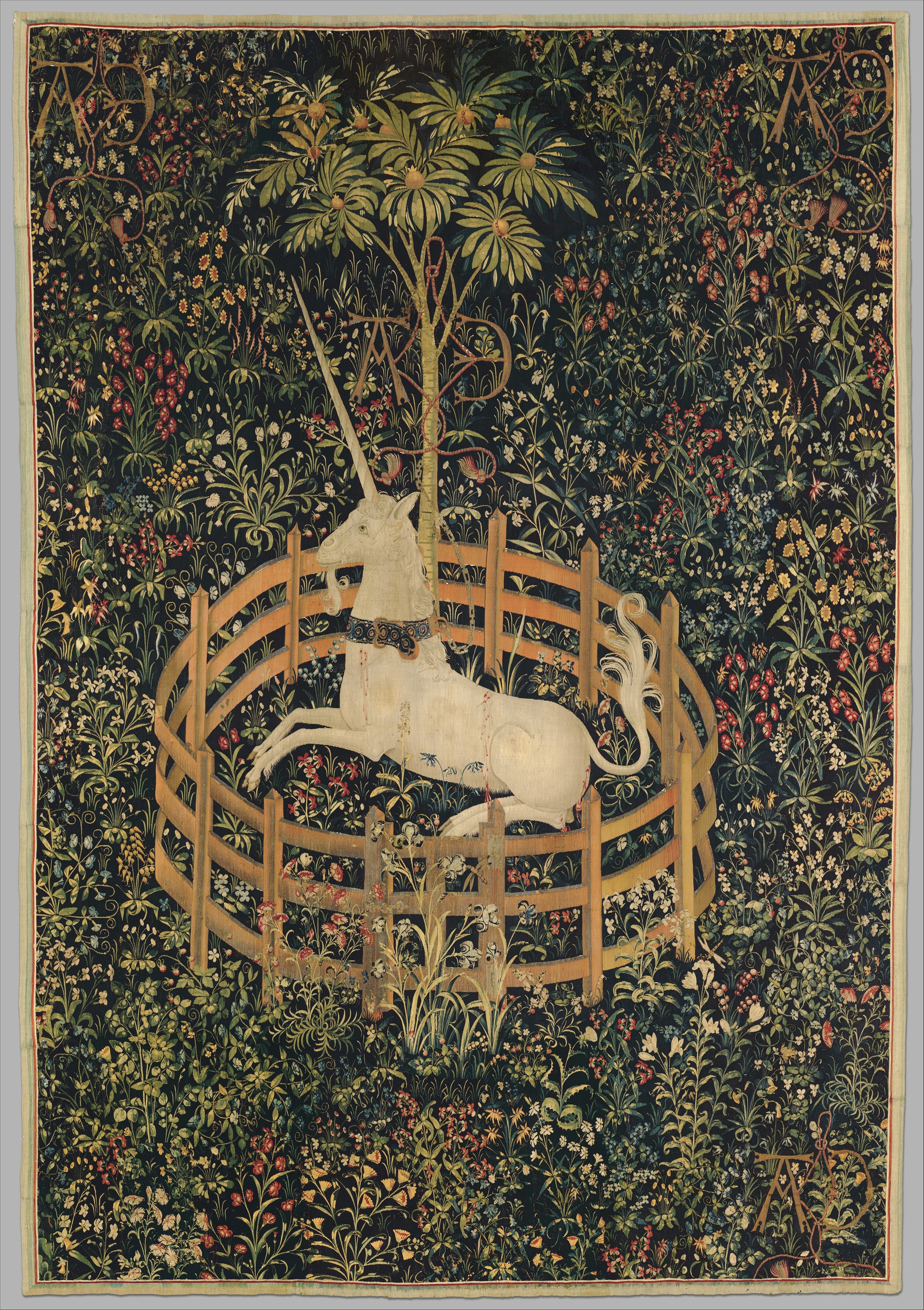
There’s an early allusion to its healing powers woven into a
fabulous early 16th. century French tapestry, The Unicorn
in Captivity, now displayed in the Met in New York, where bistort sits
against the right foreleg of the wounded mythical beast.
In a culinary context, it’s the key ingredient in the
classic traditional Easter-ledge pudding of Cumbria, Lancashire and Yorkshire.
Recipes vary, depending on location, but all require its leaves, harvested
young at Easter-time, usually boiled with nettle tops, oat-meal and chopped
onions, bound together with egg, made into patties and fried. Every spring
the World
Easter-ledge Pudding Championship is held at Mytholmroyd near Hebden
Bridge in Calderdale.






 Posts
Posts


No comments:
Post a Comment
Note: Only a member of this blog may post a comment.